 EN
EN  AR
AR NL
NL FR
FR HI
HI KO
KO PT
PT RU
RU ES
ES TL
TL ID
ID VI
VI TH
TH TR
TR MS
MS SW
SW UR
UR BN
BN HA
HA KM
KM LO
LO PA
PA YO
YO MY
MY SI
SI AM
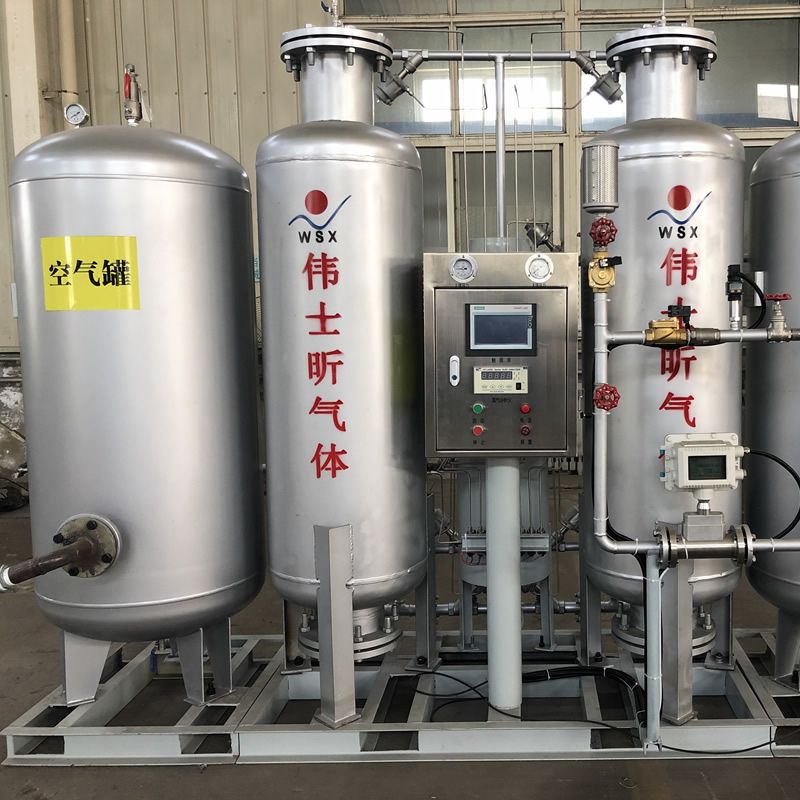
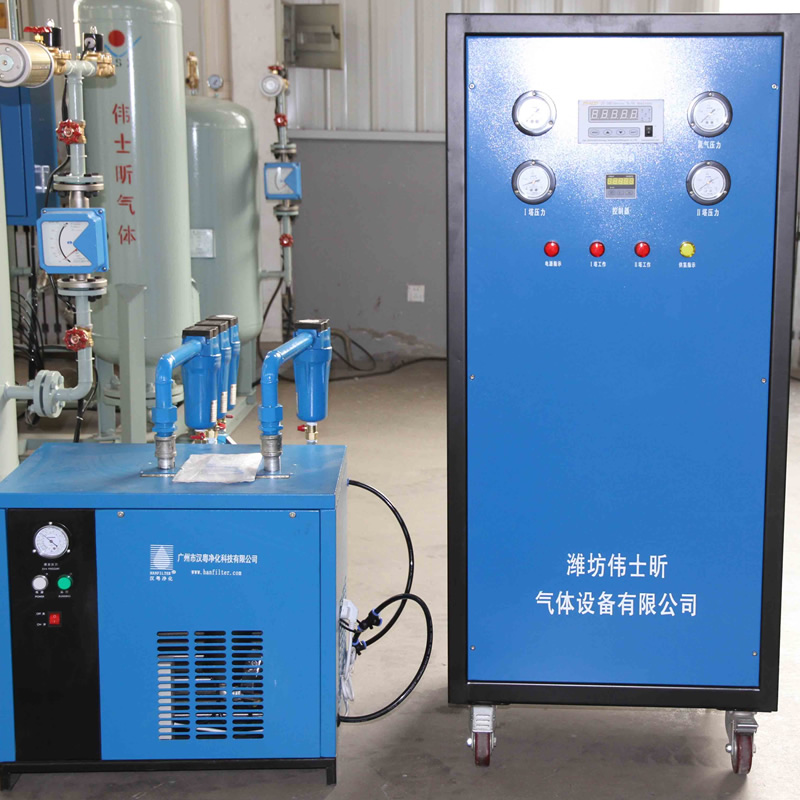
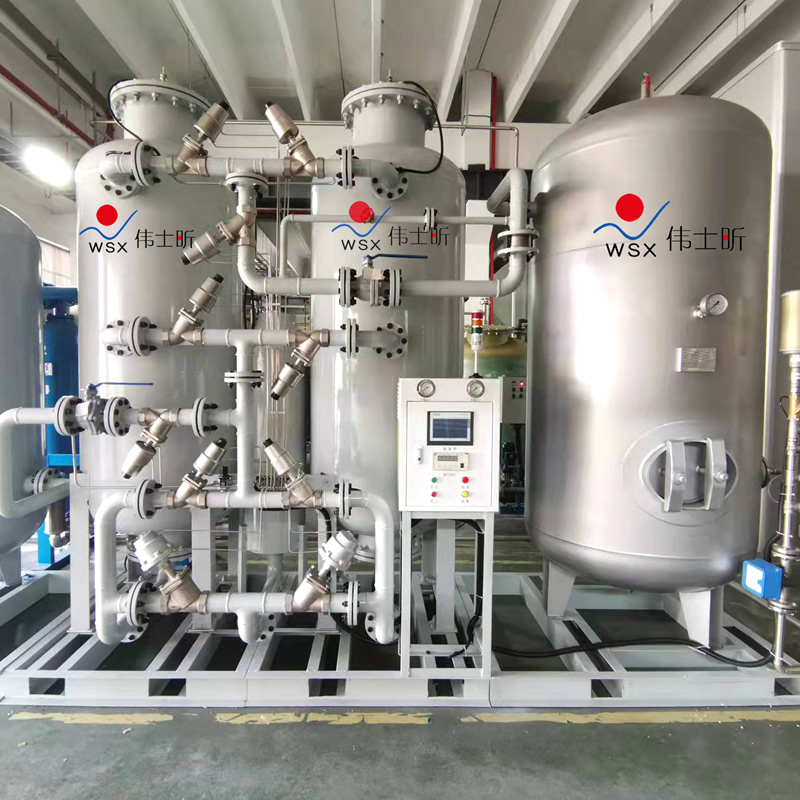
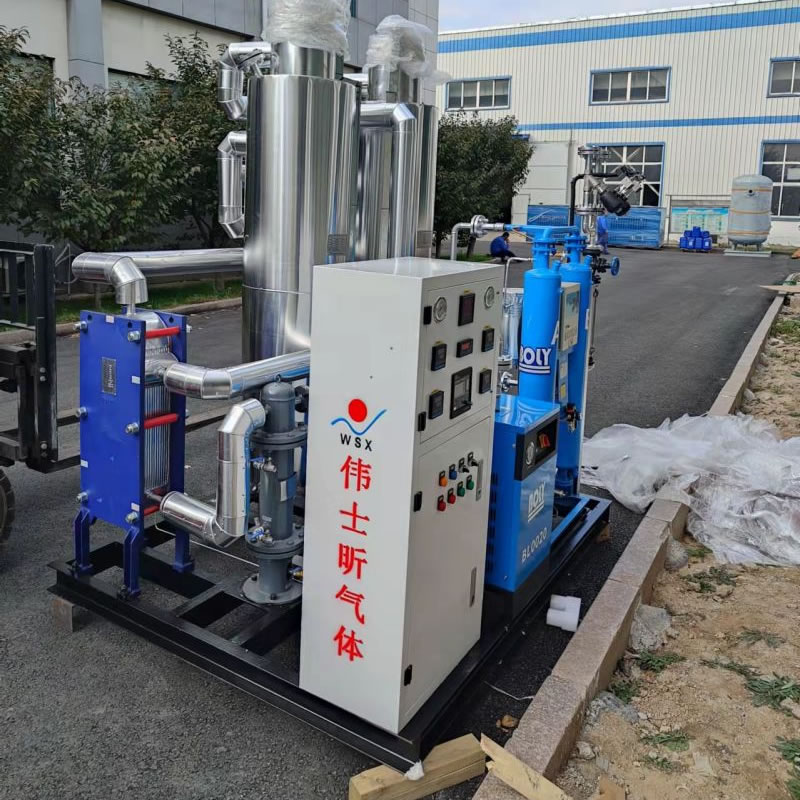
AMThe keys to precision manufacturing are accuracy, consistency and meticulous control of each production process. An overabundance of just a little oxygen, humidity or other harmful contaminants can tarnish materials, spoil sensitive components or result in substandard end products. Manufacturers are able to achieve a contamination-free environment at their facility by employing a reliable source for producing high-purity nitrogen through high purity nitrogen generators. Manufacturers who upgrade from more conventional forms of nitrogen and opt for a dependable on-site source of high-purity nitrogen have much greater control over their processes and can count on consistent quality in every production run. High purity nitrogen can make a vital contribution to electronics and metal working as well as to the pharmaceutical and food & packaging industries.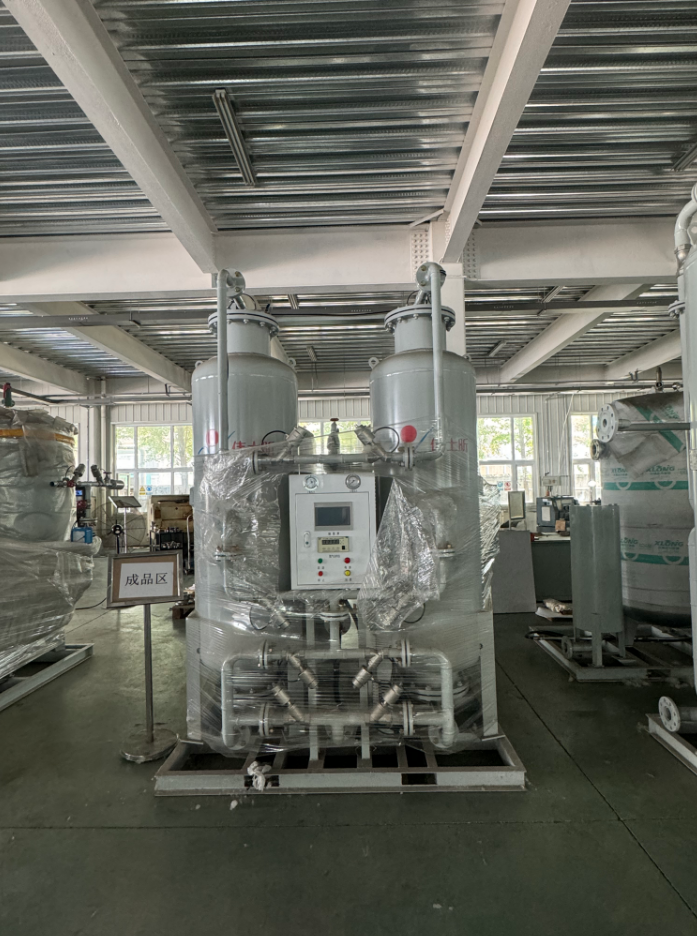
Nitrogen Protection Application in Lithium Battery Production Process
Nitrogen Protection Application in Lithium Battery Production Process
Lithium battery production requires a very controlled environment because battery materials can react easily with moisture and oxygen. Even a small amount of contamination during manufacturing may affect battery performance, safety, and service life. High purity აზოტის გენერატორი is commonly used to create a protective atmosphere that keeps sensitive materials stable during different production stages.
One important application is during electrode manufacturing. Lithium battery electrodes contain active materials that can lose their performance when exposed to moisture or oxygen. Nitrogen is used in drying rooms and storage areas to maintain a low-moisture environment, helping prevent unwanted reactions before the electrodes are assembled into battery cells.
During battery cell assembly, nitrogen protection becomes even more important. Processes such as electrolyte filling and sealing need a clean atmosphere because the electrolyte can react with water and produce harmful by-products. Manufacturers often use nitrogen-filled glove boxes or controlled production chambers to reduce exposure to outside air. This helps improve battery consistency and lowers the risk of defects.
For example, a battery factory producing cells for electric vehicles may notice unstable battery capacity when humidity levels are not properly controlled. After improving its nitrogen protection system in key production areas, the factory can reduce contamination risks and achieve more consistent cell performance.
High purity nitrogen is also used during battery testing and storage. A stable nitrogen environment helps protect finished cells from oxidation while they are waiting for quality checks or shipment. This is especially useful for large-scale production lines where thousands of battery cells are handled every day.
When setting up nitrogen protection for lithium battery manufacturing, companies should focus on three areas: nitrogen purity, supply stability, and proper distribution. The nitrogen system should match the needs of each production stage, as different processes may require different flow rates and purity levels. Regular monitoring of oxygen and moisture levels also helps ensure the protective environment remains effective.
By creating a cleaner and more stable manufacturing atmosphere, high purity nitrogen generators support better battery quality, fewer production problems, and more reliable energy storage products.
Anti-oxidation Effect of Nitrogen Generator in SMT Electronic Welding
Anti-oxidation Effect of Nitrogen Generator in SMT Electronic Welding
SMT (Surface Mount Technology) welding requires high accuracy because tiny electronic components must be placed and connected correctly on circuit boards. During the soldering process, exposure to oxygen can cause oxidation on metal surfaces, especially when the solder is heated. This oxidation may lead to poor solder joints, weak connections, and quality problems in finished electronic products. A nitrogen generator helps solve this issue by creating a low-oxygen environment during welding.
In reflow soldering, nitrogen is often added into the soldering furnace to reduce contact between hot solder materials and oxygen. When oxygen levels are lowered, the formation of oxide layers on solder paste and component leads is reduced. This allows the solder to flow more smoothly and create stronger connections between electronic parts and the circuit board.
For example, a manufacturer producing control boards for medical devices may experience unstable solder quality when welding small components with fine connection points. After introducing აზოტის მანქანა protection into the SMT reflow process, the company can reduce solder defects and improve the consistency of each circuit board. This is especially helpful for products that require long-term reliability.
Nitrogen protection also helps reduce problems such as solder balls, poor wetting, and uneven solder joints. Since fewer oxides are formed during heating, the solder material can bond more effectively with metal surfaces. This allows manufacturers to maintain product quality while reducing the need for repeated repairs or inspections.
When using a nitrogen generator for SMT welding, manufacturers should pay attention to nitrogen purity, oxygen concentration inside the furnace, and gas flow settings. A stable nitrogen supply is important because changes in the protective atmosphere may affect soldering results. Regular equipment checks, including filter replacement and system cleaning, help keep nitrogen quality consistent.
A high purity nitrogen generator gives electronic manufacturers a practical way to maintain a cleaner welding environment. By reducing oxidation during SMT soldering, it helps improve solder joint strength, lower defect rates, and support more reliable electronic products.
Nitrogen Atmosphere Control for Metal Heat Treatment Furnaces
Metal heat treatment requires precise temperature control and a suitable atmosphere to achieve the desired strength, hardness, and surface quality. During heating, many metals can react with oxygen and form surface oxidation or discoloration. These problems can affect the appearance and performance of metal parts. A nitrogen generator helps create a controlled atmosphere inside heat treatment furnaces, reducing oxidation risks and improving production consistency.
In heat treatment processes such as annealing, brazing, sintering, and hardening, nitrogen is often used as a protective gas. When nitrogen fills the furnace chamber, it reduces the amount of oxygen that comes into contact with heated metal surfaces. This helps prevent rust, scaling, and unwanted chemical reactions during high-temperature processing.
For example, an automotive parts manufacturer producing precision gears may find that some parts develop uneven surface conditions after heat treatment. By introducing a nitrogen atmosphere into the furnace, the company can reduce oxidation during heating and achieve more stable surface quality across different production batches.
Nitrogen atmosphere control is also useful for industries that process stainless steel, copper, aluminum, and other sensitive metals. A stable nitrogen environment helps maintain the original properties of materials while reducing the need for extra cleaning or surface treatment after heating. This can save time and improve overall production efficiency.
When setting up a nitrogen system for a heat treatment furnace, manufacturers should consider several factors. The required nitrogen purity depends on the metal type and heating process. Gas flow must also be properly adjusted to maintain a consistent atmosphere inside the furnace. Regular monitoring of oxygen levels helps confirm that the protective environment is working as expected.
A nitrogen generator provides a steady on-site supply of protective gas, making it easier for manufacturers to manage heat treatment operations. With better atmosphere control, companies can reduce oxidation problems, improve the quality of finished metal parts, and maintain more reliable production results.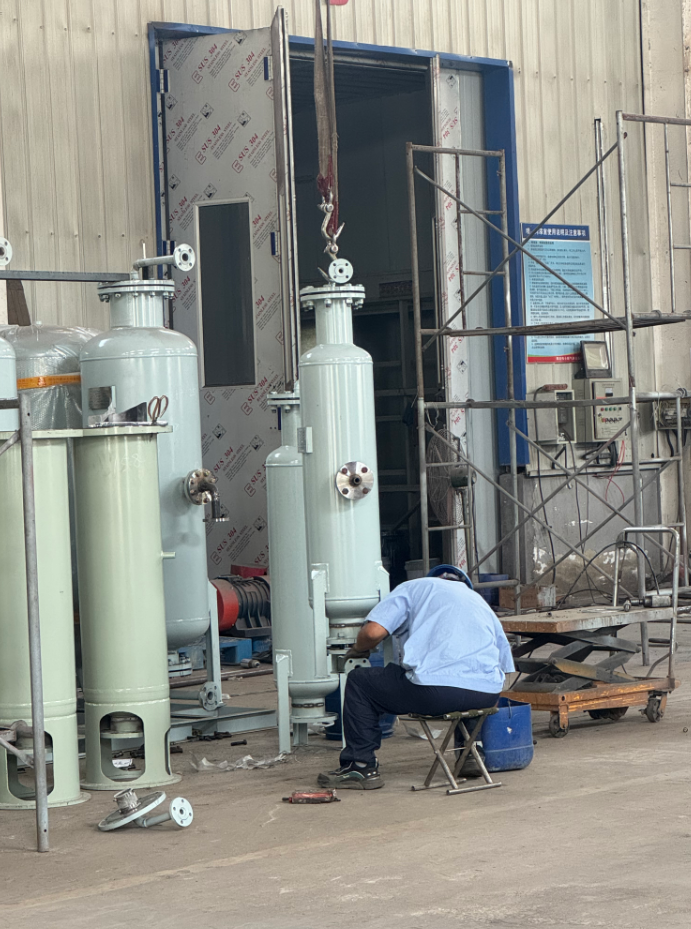
Food Freshness Preservation Mechanism of Nitrogen Packaging
Food Freshness Preservation Mechanism of Nitrogen Packaging
Keeping food fresh during storage and transportation is a major challenge for food manufacturers. Oxygen, moisture, and microorganisms can slowly change the taste, color, and quality of many products. Nitrogen packaging helps protect food by replacing oxygen inside the package with high purity nitrogen, creating a safer environment that slows down quality loss.
The main role of nitrogen in food packaging is reducing oxygen exposure. When oxygen remains inside a package, it can cause oxidation, which affects fats, oils, flavors, and natural colors. By filling the package with nitrogen before sealing, manufacturers can lower oxygen levels and help maintain the original condition of the food for a longer period.
Nitrogen is widely used for products such as snacks, coffee, nuts, dried fruits, meat products, and baked goods. For example, a coffee producer may notice that freshly roasted beans lose their aroma quickly after packaging. By using nitrogen flushing during the packaging process, the company can remove oxygen from the package and help preserve the coffee's natural flavor until it reaches customers.
Nitrogen packaging also helps protect food products from physical damage. In snack packaging, nitrogen creates a cushion inside the bag, reducing the chance of chips or delicate products being crushed during handling and transportation. This makes the product look better when it reaches store shelves.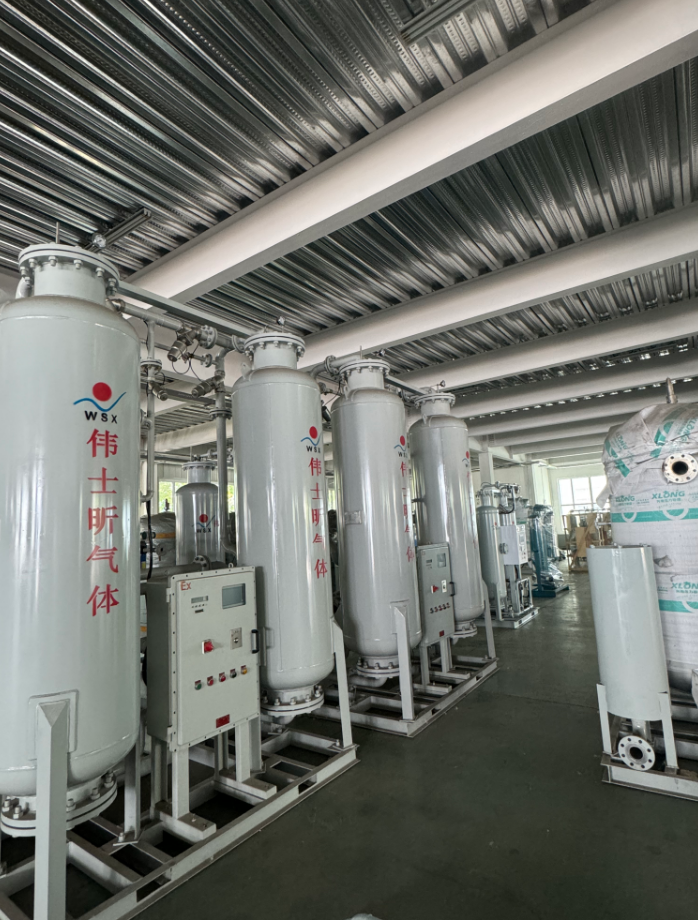
To achieve good results, food manufacturers need to control PSA აზოტის გენერატორი purity, filling speed, and packaging conditions. The nitrogen used should meet food safety requirements, and the packaging material should provide a proper seal to prevent outside air from entering. Regular checks of the nitrogen system also help maintain stable packaging quality.
A nitrogen generator allows food companies to produce their own nitrogen supply at the production site. This gives manufacturers better control over packaging operations and reduces dependence on external gas deliveries. With proper nitrogen packaging methods, food producers can extend freshness, protect product quality, and provide consumers with better-tasting products.
„ვეი ფანგ ვეი ში სინ გაზის აღჭურვილობის კომპანია“ დაარსდა 2003 წლის ივლისში. იგი მდებარეობს შან დონგის პროვინციაში, ვეიფანგის ეროვნული მაღალტექნოლოგიური განვითარების ზონაში, იინგკიანის ქუჩა 5111-ში. კომპანიის ფართობი 20000 კვადრატული მეტრია, ხოლო შენობის ფართობი 11,000 კვადრატული მეტრი. ეს არის სპეციალიზებული კომპანია, რომელიც სპეციალიზირებულია წნევის ცვალებადი ადსორბციისა და მემბრანული გამოყოფის, აზოტის, ჟანგბადის და გაზის გამაძლიერებლის, გამწმენდი და სხვა აღჭურვილობის წარმოებასა და კვლევასა და განვითარებაში.